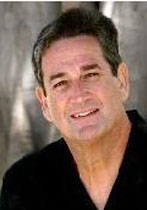
By Rabbi Ben Kamin
SAN DIEGO — A true titan of Judaism and humanity, one of the most prodigious scholars since the likes of Maimonides, a fit and nimble champion of Torah and tennis, Rabbi W. Gunther Plaut has died at the ripe old age of 99.
His extraordinary life is being celebrated and cherished, even as he is being mourned in faith and academic communities all over the world. The New York Times, in a major Sunday obituary, described Plaut as “the de facto leader of Canadian Jewry,” given his spiritual leadership of the flagship Holy Blossom Temple in Toronto. But even though he was a major public figure in Canada, Rabbi Plaut belonged to all of us because he literally rewrote the Hebrew Scripture in his classic commentary, The Torah.
When I arrived at my first rabbinic post in Toronto after my ordination in 1978, Gunther Plaut was gracefully and lithely transitioning from senior rabbi to his well-termed position as “senior scholar.” [I served another liberal congregation, Temple Sinai]. Plaut, erudite, notably athletic, highly approachable, was vigorously working on the completion of his magnum opus—which is now a stock feature in every modern rabbi’s collection of indispensables as well as in every library and innumerable homes.
The “Plaut Torah,” that 500 years from now will be as viable as the medieval commentaries of the French scholar Rashi, is the remarkable, inclusive, global interpretation of the text and revelation of the Hebrew Bible’s first and most sacred segment—the Five Books of Moses. [It should be noted that the section on Leviticus was prepared by Rabbi Bernard Bamberger.] But Plaut’s masterpiece, a sacred and revered definition of the text for all non-Orthodox Jews, remains the consummate tome of enlightenment and philosophy when it comes to the old writ.
Plaut was one of the most famous Jews on earth, but he was a citizen of the world. He restored the centrality of the Hebrew text in religious life but made it relevant and revealing by bringing insights from all traditions into the interpretation: he drew from as sources as divergent as archaeology to Islam to feminism to even Shakespeare. This range, and his ease with it, and the manner in which he melded so many traditions while elucidating the Torah were noted by The New York Times this week as well as other publications worldwide.
I don’t write about “Gunther”—as we all affectionately called him—because he and I were pals or contemporaries. I had the privilege of sitting in the same room with him on several occasions during my early years in Toronto; when we happened to meet occasionally in later settings, he was consistently kind and supportive. I knew he became a rabbi—a singular scholar and light—because the Nazis had denied him the right to practice law after he earned his J.D. in his native Germany. I knew that he could handily defeat much younger men on the tennis court and that he little patience for indolence or imprecision.
I knew he was a monumental rebuttal of the Holocaust and that he has sealed progressive Jewish life forever. God rest his soul.
*
Rabbi Kamin is a freelance writer based in San Diego