By Rabbi Ben Kamin
ENCINITAS, California — August 28 will mark the 50th anniversary of Dr. Martin Luther King Jr.’s unforgettable ‘I Have A Dream’ preachment—the culmination of the 1963 March on Washington. Ironically, the date will also mark the 58th anniversary of the brutal murder of Emmett Till, on August 28, 1955—an appalling vigilante crime that actually set off the modern Civil Rights Movement.
Till was a fourteen-year old African American from Chicago who was sent down to Money, Mississippi in order to spend time with relatives. Unfamiliar with Southern ways, he was a bit too brash and upbeat for a black teenager. He did not know about some of the oligarchic taboos that were as endemic to the Delta as fireflies and bourbon. He was further handicapped by a lisp; people were not always sure what Emmett was saying or trying to say. At times, when he spoke, what emerged sounded something like a whistle.
Exiting a little five-and-ten store in the center of Mississippi, Emmett allegedly hooted at an attractive young white woman—although he may have just been trying to speak to her, maybe even offer up an “excuse me, ma’am” as he passed by. It didn’t matter; people thought Till had whistled at the woman.
By nightfall, a group of local vigilantes overran the house of Emmett’s relatives, dragged the shrieking, terrified lad out. They methodically proceeded to terrorize him, pummel him, and shoot a bullet through one of his eyes. They then dumped his body in the Mississippi and were satisfied that justice was done. The crickets resumed chirping in the woods as the moonlight paled over the muddy, bloodstained river.
The swollen, ripped, and shattered body of the teenager was recovered under the steaming sun of daylight. Members of the Till family were numb, traumatized, yet they kept their mouths shut. A sham of a trial would ensue, with the killers set free. Fortunately for history, an enterprising and gutsy black photographer named Ernest C. Withers dispatched himself to the vicinity in his old wood-paneled station wagon to try and record the scene.
Withers, a veteran and decorated photographer-soldier of World War II, was well-known for his uncanny ability to be present at timely and revealing events—the publicizing of which created outrage and concern in the general public. With his camera, he had brought a young Negro League baseball prodigy named Willie Mays to national attention; he would routinely snap Martin Luther King in critical moments; he would now publish a photo of the corpse of Emmett Till, with a hollow socket where his eye had been and the crusted horror of a trampled, doomed, drowned body lying across a coroner’s slab.
In Chicago, Emmett Till’s mother had belligerently insisted that the gruesome print be distributed to the newspapers, crying out that “I want them to see what they done to my boy.” America did see—and became prepared to listen to Martin Luther King Jr. and the countless foot soldiers of the greatest freedom movement in this nation’s history.
*
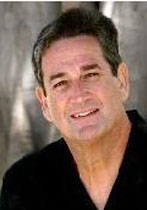
Rabbi Kamin is a freelance writer based in Enxcinitas, California. He may be contacted at ben.kamin@sdjewishworld.com