By Rabbi Michael Berk
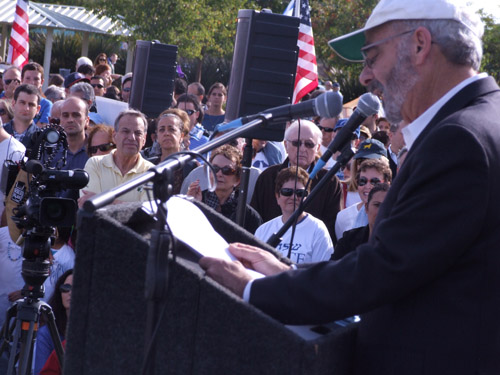
SAN DIEGO — The lurid allegations of politicians acting badly overcame the usual summer lull in news this season. Mayor Bob Filner and Anthony Weiner spent much of the summer trying to survive politically. But what about spiritual survival? What does their common faith, Judaism, teach about sin, atonement and forgiveness?
Late summer is a time when Jews begin to address spiritual survival as we prepare for the Jewish New Year followed by the Day of Atonement. As a rabbi I can recommend that like their fellow Jews, they use this time of year to examine their ways.
The central drama of the holy days is the repentance we seek through our teshuvah (Return or Repentance), our commitment to make amends and not repeat sinful behaviors. Repentance is our attempt to return to the best person we can be.
Repentance is, according to Judaism, one way we emulate the creative aspect of God. Making big changes in our behavior is how we use our God-like powers of creation. No other creature in God’s earth has the ability to change like this.
The changes we seek can help us make sure that our past doesn’t dominate who we are in the future. With sincere repentance we throw off the shackles of the past and declare a new beginning.
Most of us are decent enough that when we sin we feel awful. Repentance is a way to do something constructive with that guilt; to use it for the good purpose of becoming a better person. In the Bible sin is often felt as an abomination and repentance is a way to confront the ugliness of sin that we’ve brought into the world and to begin the work of cleaning it up.
The Jewish Bible is not a book of theology; it is a book of stories. One of the most important characters in the bible is King David. On the one hand, the bible admires him. He was the beloved king (the name David, in Hebrew, means “beloved”).
Yet the bible is quite clear about David’s flaws. In his sin David showed both weakness and greatness. The hero of the Jewish bible is a normal person we can all relate to; someone who has moments of greatness and weakness. This is the person the bible wants us to admire. Jewish scriptures teaches us to understand that we are all imperfect and we can and should strive to be like King David and not run away from the truth of our lives.
This is stunning. What nation records the serious faults of its heroes in such detail? But in this way the Jewish bible makes clear: only God is perfect; humans, not so much.
Repentance is a source of hope. Repent and you become a witness to the possibility of possibility. You feel the change inside you. You come to hope in the first person.
Perhaps in some synagogues during the High Holy Days there will be politicians who enter full of regret for their actions and who wish to change their ways. The Jewish tradition says the gates of repentance are open at this holy time of year. We can walk through those gates if we sincerely regret our sins, if we sincerely apologize to those against whom we’ve sinned, and we commit ourselves to a way of life that will not see us repeat that sin. This does not absolve anyone from legal consequences of their actions, but true repentance can help make even sinning politicians get back on track with God.
*
Rabbi Michael Berk is the Senior Rabbi of Beth Israel of San Diego