SAN DIEGO — This week, we begin the third book of the Torah, Vayikra. The book is somewhat of a challenging book to read and relate to. That is because it spends significant time talking about the sacrifices that the ancient Israelites brought to the temple. As an ancient ritual, bringing a sacrificial offering to the temple was the primary way that the ancient Israelites interacted with their faith, and with God. In the wake of the destruction of the temple, Judaism had to reinvent itself. It had to create a new way for Jews to connect to God, when the traditional method of connection was no longer a viable option.
The Hebrew word for sacrifice is Korban. It comes from the Hebrew root for the word Karov which means to be close. The Rabbis realized that one of the primary functions of the ancient sacrifices was to help the Israelites become close to God. Even though the traditional way of doing so was no longer an option, there were other things that the Israelites could do that would ultimately have the same result. At that moment, Judaism transformed into a religion focusing on coming together as a community in prayer as the primary way to draw Jews closer to God.
Once again, today, we seem to find ourselves in a somewhat similar predicament. For me, coming together as a community, and the time we spend together, has always been a significant piece of what draws me to Judaism, Jewish community, and God. But, given the new restrictions that have been imposed upon in response to the COVID-19, for the foreseeable future that is no longer possible.
Nevertheless, just like the Rabbis in the wake of the destruction of the temple, Judaism and Jewish community will find ways to continue helping Jewish people connect to one another, their faith, and to God. We have had to recreate and define what we mean by community, using new technologies and new platforms to connect with one another,
These days especially, it seems like we are all making Korbanot. Whether it’s financially, socially, or spiritually, we are sacrificing important parts of what we do and who we are. First and foremost, I want to thank you for your sacrifice. It is my hope and prayer for all of us, that our willingness to make these sacrifices, putting the health of others and our community before our own self-interests, helps us create deeper connections, drawing ourselves closer to one another, to our faith, and to God. May we have the strength, wisdom and courage to make the sacrifices necessary to enable us to emerge from this crisis as a community, closer with one another, our faith, and God, than we have ever been before.
*
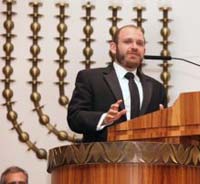
Rabbi Joshua Dorsch is spiritual leader of Tifereth Israel Synagogue in San Diego. More of his articles may be accessed by clicking his byline at the top of this page. He may be contacted via joshua.dorsch@sdjewishworld.com