By Rabbi Shmuly Begun
SAN DIEGO — One quiet Brooklyn night, Elie Wiesel, a survivor of Auschwitz and Buchenwald, found himself in the study of the Lubavitcher Rebbe. They had spent hours reflecting on the horrors of the Holocaust. As their conversation neared its end, Wiesel turned to the Rebbe with a unique request: “I only have one wish—grant me the ability to cry again.”
The death of Wiesel’s father in Buchenwald had traumatized him; as he wrote, “This is what causes me the most grief: this inability to cry. The heart had petrified; the fountainhead of tears had dried up.” He desperately wanted to weep, but the Rebbe shook his head. “That’s not enough,” he responded. “I shall teach you to sing. Crying is no use. You must sing.”
Following the Rebbe’s guidance, Wiesel began a new chapter in his life, marrying and becoming a father. But more than simply moving on, he channeled his personal pain into a global responsibility. Wiesel dedicated his life to preventing future atrocities, later winning the Nobel Peace Prize.
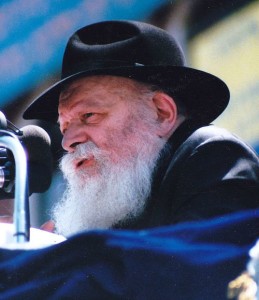
In the desolate years following the Holocaust, as the world drafted obituaries for the Jewish people, a lone figure in Brooklyn stood resolute: the Lubavitcher Rebbe, Rabbi Menachem Mendel Schneerson. With incredible foresight, he paved a new path forward. At a time when many could only see ashes and despair, he saw not an end but a vibrant future for Jewish life.
Upon accepting the helm of the Chabad movement in 1951, the Rebbe encountered a generation of Jews whose spirit and hope had withered. To counter Hitler’s “final solution,” the Rebbe insisted that the Holocaust demanded more than just remembrance; it needed action. He believed we couldn’t let the suffering of the past prevent us from raising a new generation of Jews—one that was proud and secure in their Jewish identity. The young generation needed to understand that being Jewish was not a burden or a historical tragedy, but a privilege and a source of strength. With incredible foresight, the Rebbe devoted his life to building a thriving future for Jews worldwide by establishing over 5,000 Chabad centers in more than 100 countries.
Through the Rebbe’s many initiatives, Jewish identity blossomed, moving from being practiced primarily at home and in synagogues, to the streets.
With the Rebbe’s vision, over 15,000 public menorahs are lit every Chanukah — from the South Lawn of the White House to the Eiffel Tower in Paris. On busy city streets worldwide, Jews have the opportunity to proudly display their Jewishness by stepping inside a “Mitzvah Tank”— trucks or RVs transformed into mobile Jewish centers — and performing a mitzvah.
The lifelong message of the Rebbe was this: When faced with despair, build; in the face of silence, sing; and when left with a void, fill it with meaning and purpose.
Since October 7th, the Jewish world is once again faced with pain and destruction from those who seek to destroy us, both physically and in spirit. But the choice is ours: Will the pain paralyze us, or will it galvanize us to action? The Rebbe taught, “Don’t just cry, stop just observing the news—act.”
Do something in memory of all those we have lost, in the merit of the hostages for their safe return home to families who await them every day, and in the merit of the soldiers who bravely risk their lives, ensuring the safety and future for which we build.
Ultimately, the Rebbe never allowed that obituary for the Jewish people to be printed. His legacy continues to inspire us to live, build, and sing.
This Sunday, June 29, as we commemorate the 31st anniversary of his passing, we remember the Rebbe by recommitting ourselves to turning pain into determination, filling our lives and the world around us with meaning, and ensuring that Jewish pride and continuity flourish for generations to come.
*
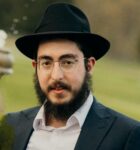
Rabbi Shmuly Begun is spiritual leader of Chabad of Tierrasanta
Thank you for that wonderful article!
Thank you Rabbi Shmuly Begun, for a very inspiring article!