By Donald H. Harrison
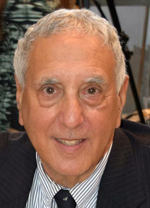
SAN DIEGO — Recently I received a recorded message on my iPhone, telling me, the “dear customer,” that my iCloud account had been breached. It gave me an 800 phone number that I should call back immediately. Instead, I hung up, then went to my computer and found the real phone number for Apple support. I reported the call, and the technician verified what I had suspected. The call about a “breach” was a phony. Apple never tries to reach its customers that way.
Every week, it seems, I receive dozens of “phishing” emails that, through one guise or another, want me to immediately click on an attachment and provide personal information. I don’t do that either. Because I use “Cox” internet services, many of the phishing emails pretend they are coming from Cox. These I forward to Cox, hoping that they might track down the miscreants who are sending out such messages and perhaps prosecute them. But I never hear back, so I suspect that pursuing people who attempt to commit fraud in their name may not be the highest priority for this company.
It’s not only customers of Apple or Cox, of course, who are the intended victims of these scams. I’ve received phony warnings about my accounts being compromised at many banks, even in those where I do not have an account.
Internet and cell phone users who are wise to the way of the scammers can protect ourselves, but that is not sufficient Scamming, I’m convinced, cost honest citizens millions of dollars, perhaps even more. We should militate for stronger laws to prevent these kinds of scams.
And, for whatever laws there are now, or that will be, we need stricter enforcement with a media spotlight on those who are convicted.
In that many of these scams come from places out of the country, or across state lines, I think the federal government should take the lead in investigating—and prosecuting—people who masquerade as others in an effort to bilk the unsuspecting of their money.
There should be a central email address to which scam emails can be forwarded. There should be a team of investigators to look into these matters. Prosecutions brought against scammers should also be well publicized to deter others. Penalties for such behavior should be commensurate with the losses inflicted on the victims of these cyber criminals.
I am going to send this column to my congressional representative. I hope others across the United States who read this column will forward it to their friends and similarly contact their congressional representatives. Let this be a grassroots movement to protect the vulnerable in our society.
Please join me in making your voices heard. Let’s end the scamming epidemic.
*
Harrison is editor of San Diego Jewish World. He may be contacted via donald.harrison@sdjewishworld.com
Amen!! Great column!! You forgot to mention the social security scam call. Have you gotten that one? I am on the government do not call list and yet I still get calls!!
Thank you Mr. Harrison.
Phone spam is rampant. I have called Senators Feinstein and Harris and Representative Toni Atkins asking them to help rid us of 5, 10 sometimes up to 20 calls a day on our smartphones. We employ apps to reduce & alert scammers, with limited success. We refuse unidentified numbers.
Corporate providers of our services do little, if anything. Nor do providers follow up. Monopolistic utilities and corporate mega-tangles seem only interested in profit.
Some threads of business, AI and IT are not betterments of society and life. Text & email endorse lack of personal contact, isolation and reduce empathy. Correction(s) needed.