 SAN DIEGO –Following are two of my personal opinions on musical subjects, one on recorded music, and the other on the joys of live music.
Let the Buyer Beware: In my never-ending search for fresh and new musical material, I frequently buy a recording or sheet music which may not be at all familiar to me, but has the potential to please me and the audiences it may eventually reach. I take chances.
On impulse I bought a compact disc, issued on a small label, focusing on marches performed by an Austrian military band. It sounded impressive, and the budget price was right, only a few dollars.
At first, I was mildly annoyed; upon opening the package and seeing the contents and program notes, that of the marches played, not a single composer was listed. OK, so, I recognized works by Johann Strauss Sr., and by Schubert, but little else was familiar. Never mind, I said to myself, the purpose here is to learn something new.
But, when I listened to the CD, I was stunned. Although the recorded sound was acceptable, the more important elements, the music itself and the performances were appalling. These were vintage Eastern European, German and Bavarian marches, old warhorses for sure, that would probably appeal to fading military people from the first half of the 20th Century and possibly to some younger musicians who have played them. The playing was even worse. Although the ensemble was passable, so much of the music was out of tune and un-artistically performed, that I was downright insulted. After being involved myself with music for band in my teaching years and more recently, conducting the winds of the London Symphony Orchestra, this CD is a travesty. Many American high school bands play far better than this, to say nothing of college wind ensembles.
It’s easy to imagine how a CD of similarly poor quality might be produced: First, scour the musical ensembles of Central and Eastern Europe, where hard currency is badly needed and the hiring of a band or orchestra is relatively inexpensive. Then, instead of contracting the orchestra for the usual four or five recording sessions of three hours each, the minimum needed to record sufficiently good material, scimp on the cost, and book perhaps only two sessions. Such a procedure would “save” a large amount of money, but sacrifice the artistic integrity of the project.
I don’t know what happened with this particular CD, but such major cost cutting as I have described could result in a product that is equally disappointing. One needs time in recording sessions to re-record segments that need corrections of wrong notes, bad ensemble (when all the instruments are not quite playing together), incorrect balances (to make sure that all instrumental voices are heard), and for the conductor to make musical choices and suggestions to the musicians for more expression, emotion, subtlety, or energy.
As in anything else in life, you get what you pay for.
Will I continue taking such risks in buying unproven material? Of course I will. This is part of the fun, or what I call, the happiness of pursuit. But on the larger picture, I have probably struck gold more often than not. Just recently, I was thrilled to discover a wonderful CD with a symphony I did not know existed. The performance was splendid. But, let’s save that story for another time.
*
On Live Music– As regular readers probably know, I have always been a champion of music that is lesser known. As much as I would like to hear this music performed more frequently in the concert hall, I fully understand the practicality of life: At this point in history, live orchestral concerts are best served with a healthy dose of the standard, familiar repertory we all know and love, while new and less recognizable music is better suited for recordings. Here, an enthusiast, possibly among the minority within the world of music lovers can most appreciate this specialized music.
But, I repeat, nothing can beat the experience of hearing music live, the moment it is happening.
But, unfortunately, live music is at a disadvantage with a segment of music listeners, the so-called “audiophiles”. These fine people give greater value to the purity of the recorded sound and the absolutely pristine perfection of the execution to the actual artistry of the performance; they can not fully enjoy a live concert, simply because it can not meet the sonic standards of the same symphony played through their stereo system at home.
It is tragic when one attends a symphony concert where there is brilliance, musicality, artistic sensitivity, excitement, virtuosity, and intimate communication between performers and audience. And when the entire experience is but a warm memory, one reads a review in the newspaper, or talks to someone else who was in the audience and hears that “it was such a wasted evening…did you hear the horns miss those notes in the second movement?
That slight musical imperfection was enough to rob that listener the potential enjoyment of the other thousands of notes, phrases, and the human elements which form part of the power and communicative gifts that quality music offers us. Do not let it happen to you.
*
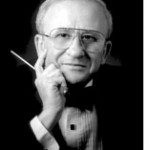
Amos is conductor of the Tifereth Israel Community Orchestra in San Diego, and has guest conducted professional orchestras around the world. He may be contacted at david.amos@sdjewishworld.com