Accidental Gangster: Dutch Schultz and Me by Harriet Goodman Grayson; North Haven, CT: Ocean Breeze Press; © 2025; ISBN 9798419-796843; 311 pages; $20. .
By Cailin Acosta

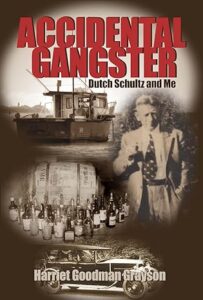 LA MESA, California – During the Roaring Twenties, when alcohol sales were banned across the United States, Jewish fisherman Goldy Goldfarb owned a fleet of boats along the secluded shores of Rockaway, New York—an ideal location for smuggling liquor from Canada.
Notorious Jewish mobster Dutch Schultz struck a deal with Goldfarb, soon nicknamed the “Accidental Gangster,” to use his fishing vessels to venture into international waters, transfer the contraband, and bring it back to American shores. Recognizing both the profit and the peril, Goldy and his father, Zayde, accepted the arrangement. Fully aware of the risks—arrest, imprisonment, or assassination by rival gangs—they armed themselves for protection.
Their work entangled them with an array of infamous figures, including Meyer Lansky, Bugsy Siegel, Murder Inc., Lucky Luciano, Arnold Rothstein, the Brownsville Boys, and even the Treasury Boys. Because of Goldfarb’s unwavering loyalty to Schultz, father and son often feared for their lives. At times, they were hidden in the backcountry by a local Indian chief until tensions eased. Known for being honorable and steadfast, Goldfarb earned the nickname “Mr. Mensch,” and notably, he never killed anyone.
When Prohibition ended and liquor smuggling waned, Goldfarb shifted his operations to a more humanitarian mission: helping Polish Jews escape the growing threat of Hitler’s regime. His boats became lifelines, ferrying refugees with the aid of forged visas and citizenship documents.
Goldfarb’s criminal ties took a darker turn when hitmen targeted Schultz, who ultimately died from his injuries. Fearing retaliation, Goldfarb fled once again to the Indian reservation where he resolved to leave the underworld for good. Before his death, Schultz was rumored to have buried seven million dollars—a secret Meyer Lansky pressed Goldfarb about. Lansky ultimately accepted that Schultz was a notorious liar and released Goldfarb from any further obligations. To this day, the alleged fortune has never been found, though some speculate an upstate Catskills town may have quietly divided it among its residents.
Grayson’s memoir, based on the true stories passed down through Goldfarb’s granddaughter, offers a vivid and immersive glimpse into the hidden world of 1920s organized crime. The narrative pulls readers directly into the danger, intrigue, and unexpected moral grounding of a man who never intended to become part of America’s gangster history. It is a compelling read—one that is difficult to put down, especially as Goldfarb longs to abandon the criminal life, pay his taxes, and finally stop looking over his shoulder.
*
Cailin Acosta is the assistant editor of the San Diego Jewish World.
Schultz’s attorney, Dixie Davis, made off with the money and moved to California after being released from prison in exchange for cooperation.
Good speculation, his lawyer was from Tannersville in the Catskills. In her last paragraph of her memoir, Goldy became Abe Gilbert, and they started a PI business; the lost loot was never far from their thoughts.