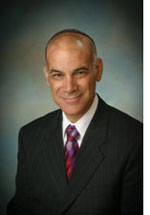
By Rabbi Leonard Rosenthal
SAN DIEGO — Last weekend Judy and I visited our son, daughter-in-law, and grandsons in Cincinnati. We had a great time. Before we returned home, I was faced with an interesting ethical dilemma. On Monday afternoon we ate lunch at Cincinnati’s beautiful Mayerson JCC. The JCC operates a kosher café. The proceeds benefit the JCC’s programs and activities.
On the back page of the café’s menu was a special section for seniors, those aged 60 and above. It contained many of the same selections found on the regular menu, but without individual prices. The top of the senior menu announced: “$3.00 requested donation.”
I told my family that in just a few more months I would be eligible to order from that menu, but as I said this aloud I felt uneasy. It wasn’t that I minded receiving a senior discount. I will take any discount I can get! Rather it was clear to me that the words “$3.00 donation requested” indicated that this menu was a service being provided for seniors with limited income.
Not only was the price inexpensive, but the request for a donation instead of payment indicated that seniors would be welcome to pay whatever they could afford or nothing at all. Clearly, the JCC was subsidizing these meals and I would not feel right taking advantage of its kindness.
In my Community Jewish High class on Tuesday evening we were discussing the difference between tzedakah, charity, and gemilut chasadim, acts of loving-kindness. In tractate Sukkah the Talmud says:
Tzedakah can be given only with on money; Gemilut Chasadim, both by personal service and money.
Tzekakah can be given only to the poor; Gemilut Chasadim, both to the rich and the poor.
Tzedakah can be given only to the living; Gemilut Chasadim, both to the living and the dead.
For example, while a wealthy individual does not need a subsidized meal, a complimentary dessert is always appreciated!
The question is: is the JCC’s “donation only” senior meal an act of tzedakah, a way of providing for cash-strapped seniors, or an act of gemilut chasadim, a way of honoring and showing kindness to all seniors?
I believe that is an act of tzedakah, and that those seniors who can afford the regular-priced menu should pay full price for their meals. I might even argue that they should order off of the senior menu and then make a substantially larger donation than the $3.00 requested in order to help those who are in need.
Unlike a commercial establishment which offers senior discounts as a good business practice, the Mayerson JCC is striving to help seniors in need, while allowing them to maintain their dignity.
The giving of tzedakah is a mitzvah. Every Jew is obligated to help the needy and essential communal institutions. The beginning of parashat T’rumah speaks of the Israelites’ obligation to give tzedakah in order to build the Mishkan, the traveling tent of worship used in the Sinai desert. “The Lord spoke to Moses, saying: Tell the Israelite people to bring Me gifts; you shall accept gifts for Me from every person whose heart so moves them.” (Ex. 25:1-2)
The word t’rumah, translated above as “gifts,” comes from the Hebrew root meaning to lift up or elevate. According the Rabbi Levi Yitzchak of Berdichev, the Torah is teaching that when we give tzedakah we are elevated to a higher level and become closer to God. (Etz Hayim, p. 486)
I laud the Cincinnati Mayerson JCC for its act of kindness to seniors. For our part, those of us fortunate enough not to rely on tzedakah to live comfortable lives must aid organizations which extend themselves to others and not take advantage of them.
*
Rabbi Rosenthal is spiritual leader of Tifereth Israel Synagogue in San Diego. He may be contacted at leonard.rosenthal@sdjewishworld.com