By Rabbi Ben Kamin
ENCINITAS, California — It was a wonderful passage through the 50th anniversary of The Dream, replete with truly credentialed achievements, a variety of historical revelations, and a share of significant embellishments. The latter grouping included the beatification of Martin Luther King Jr.—a real person who had only some relationship with the champion we imagined.
The one person that would have stated that, I firmly believe, was the preacher himself. Because now he is a legend when he would have preferred to be a man.
In his 20’s, King discovered something within himself to elevate his hard, quick journey (some say it was his deep love of ideas) and his uncommon vision. In truth, King lived a short, brutal life, filled with prison stays, bouts of depression, fear, and threats. Yet he sat with presidents and helped rewrite the Constitution of the United States—in particular, the 1964 Civil Rights Act (now questioned by the likes of Ron Paul) and the groundbreaking 1965 Voting Rights Act (now eviscerated by Congress).
He had very little time with his wife and children, never accumulated any personal wealth, fought his weight, cigarettes, and an unrelenting physical exhaustion. He was harassed by common criminals and by the FBI—an agency that once advised him to simply commit suicide.
He was afraid of the dark jail enclosures into which he was cast so often. He positively knew that, in the end, somebody would shoot him. He was plagued by guilt and anguish, believing he had caused too many people danger and hurt by pushing them into the cause.
He was ultimately reviled by many of his allies in the federal government, including President Lyndon B. Johnson, because he unilaterally stood up and took a strong moral position against the Vietnam War. M.L. King, child of a domineering father, spent his adulthood as a prisoner of his own passions and skills. He was often as unhappy as he was grandiloquent.
MLK once declared, “Oppressed people cannot remain oppressed forever. The yearning for freedom eventually manifests itself. The Bible tells the thrilling story of how Moses stood in Pharaoh’s court centuries ago and cried, ‘Let my people go!’”
Over the hasty thirteen years of revolutionary King’s Civil Rights Movement, 1955 to 1968, when he was murdered, the rather short, almond-eyed American visionary lived such a passage. The preacher would replicate Moses opposite many Pharaohs—from Birmingham police chief Eugene “Bull” Connor to Alabama Governor George C. Wallace to Chicago Mayor Richard Daley, Sr.
They were all Pharaonic stand-ins who assaulted King and so many brave Americans, from honchos to housewives, who withstood their succession of fire hoses, state segregation laws, and polite agreements to ban black people from housing and schools and a share in the national journey.
Neither Martin nor Moses arrived to the Promised Land. But at least Moses lived to a ripe, full age.
This week is history. Martin Luther King Jr. was a man who’d have rather us keep the two in line with each other.
*
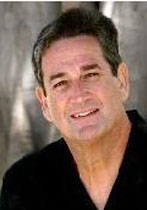
Rabbi Kamin is a freelance writer based in Encinitas, California. He may be contacted at ben.kamin@sdjewishworld.com