By Rabbi Leonard Rosenthal
SAN DIEGO — A few years ago I was sitting at a table at a synagogue event when one of the guests made a racist remark. The rest of us were uncomfortable and embarrassed. We stared at our plates but said nothing. After a few moments of awkward silence we changed the subject and moved on.
I have always regretted failure to respond. On one hand, our tradition teaches us that embarrassing a person in public is akin to spilling their blood. On the other hand, silence is often construed as tacit approval of another’s action. One of us should have said something to the offender.
In this week’s parasha, God tells Moses to speak to a rock and order it to produce water for the thirsty Israelites. Instead, Moses struck the rock, not once but twice. God was incensed. Since Moses was a role model for the Israelites, his seemingly minor infraction might have led them to believe that they didn’t need to follow God’s instruction. As punishment, Moses was not allowed to enter the Promised Land.
However, the Torah tells us that God punished not only Moses but Aaron, as well: “The Lord said to Moses and Aaron, ‘Because you did not trust Me enough to affirm My sanctity in the sight of the Israelite people, therefore you shall not lead this congregation into the land that I have given them.” (Num. 20:12)
But why was Aaron punished? After all, Moses disobeyed God, not him!
According to Rabban Chananel and the Ramban, Aaron was punished because he did not try to stop Moses from striking the rock. Even if he didn’t know Moses was going to strike the rock the first time, he could have prevented him from striking it the second time.
To quote Edmund Burke, “The only thing necessary for the triumph of evil is for good men to do nothing.”
I wouldn’t want to call Moses’ minor infraction “evil,” but racism and bigotry are.
Dylann Roof might have been a “lone wolf” in perpetuating the horrendous murders of nine members of a Bible study class at Emanuel African Methodist Episcopal Church in Charleston, South Carolina, but he is not alone in his hatred of blacks, Hispanics, and Jews. Racism still thrives in many parts of our country and world, even in places where it should have been banished years ago.
I will never forget the day an African American repairman entered the synagogue in New Jersey where I was a Student Rabbi to fix a problem with the telephones. Two minutes, later ten women who had been baking in the kitchen came flying out the door looking like they had seen a ghost. I was mortified and embarrassed, but I didn’t say anything then either.
When I first came to Tifereth Israel I heard a lot of comments that I considered bigoted and racist. I am grateful that today those comments are few and far between. However, when we hear them we must not remain silent. We must express our disappointment and disapproval when we hear remarks that denigrate others because of their racial, cultural, or religious background.
We stand in unity, fellowship, and grief with the worshippers of “Mother Emanuel.” While there may not be much we can do to prevent hateful individuals from perpetrating horrendous acts of violence, there is much we can do to banish racism and hatred from our homes, congregation, community, and lives.
*
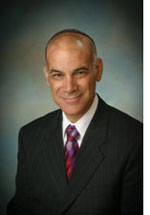
Rabbi Rosenthal is spiritual leader of Tifereth Israel Synagogue in San Diego. You may comment to him at leonard.rosenthal@sdjewishworld.com or post your comment on this website, provided that the comment is civil and you identify yourself by your full name and city and state of residence.