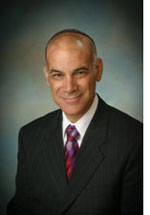
By Rabbi Leonard Rosenthal
SAN DIEGO — After Torah School on Wednesday, Judaica teacher Cheryl Katz, told me about her experience teaching her students about parashat Nitzavim:
“You stand this day, all of you, before the Lord your God…to enter into the Covenant of the Lord your God….” (Deut. 29:9-11)
She was trying to explain the concept of “covenant” with her students when one of them piped up: “Oh, like the rainbow of Noah’s Ark!”
I would have given that student a gold star for connecting the two narratives. According to Genesis, God put the rainbow in the sky as a symbol of his post-flood covenant with humankind: that God would never again destroy the entire world.
The rainbow covenant was pretty much a one-way agreement. God made all of the stipulations and took on all of the obligations. The covenant to which parashat Nitzavim refers is a two-way covenant. It is the Mosaic Covenant. At Mt. Sinai God gave the Jewish People the Torah and we promised to obey it.
But wait a second…how can we have promised to obey it when we were not there? According to the midrash, we were!
In the Torah Moses tells the people, “I make this covenant, with its sanctions, not with you alone, but both with those standing here with us this day before the Lord our God, and with those who are not here today.”
According to the rabbis, who were all of those “not here today?” It was all of us. The midrash says that all of us were standing at Sinai. We heard the thunder, saw the lightening, and experienced God’s revelation. We stood with the Israelites and said to God, “All that you tell us we will faithfully obey.”
Our presence at Mt. Sinai, of course, is midrash and not fact or even Biblical narrative. But all midrash comes to teach us lessons about our relationship with God, Torah, Israel, and humanity that are not otherwise apparent in the Biblical text. What this midrash wants us to understand is that we stand before God and feel God’s Presence every day of our lives. We should personally be as prepared and open to hear God’s commanding voice as were our ancestors at Mt. Sinai. Each day of our life we must recommit ourselves to serving the Divine Will.
As we gather in a few days to celebrate Rosh Hashana we will have the opportunity to make new friends and renew old acquaintances. But more importantly, we will have the opportunity to reevaluate our lives and refocus on the future. We will recall the covenant that our ancestors made with God and imagine that we were there with them in the desert. May we all respond to God today as did we back then: “Whatever you want of us, God, we will faithfully obey.” Judy and I wish you and your loved ones a Shana Tova u’Metuka, a sweet, happy, and fulfilled New Year.
*
Rabbi Rosenthal is spiritual leader of Tifereth Israel Synagogue in San Diego. He may be contacted at leonard.rosenthal@sdjewishworld.com