By Cailin Acosta

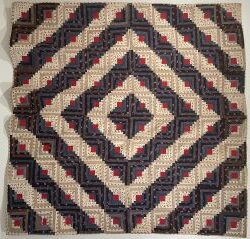
SAN DIEGO – Quilts, carefully crafted by skilled hands, are a treasured part of people’s innermost lives. “Layered Narratives: Quilted Stories of Gender and Race at the 1876 Centennial” is on exhibit at the Mingei International Museum in historic Balboa Park.
Quilts have many meanings and purposes, used for warmth, forms of artistic expression, or acknowledgments of milestones and celebrations. Whether it is using personal mementos, the resourcefulness of utilizing scraps at hand, or the symbols in the motifs themselves, each decision tells a story. Guided by trends and personal taste, quilts are time capsules of their period, and a reflection of the materials quilters had access to, in effect acting as witnesses to history and lived experiences.
The Log Cabin Quilt on display, from an unidentified maker from the 1870s, is made of wool, cotton, and Centennial handkerchief backing. This pattern block has a central square block bordered by spiraling strips of fabric. In Euro-American quilting traditions, the block is known to be inspired by the log cabins utilized by early settler communities. The red center block symbolizes the hearth, or fireplace, of the home. Log Cabin quilts became popular during the U.S. Civil War when they were sold to raise funds for war efforts or sent to soldiers for warmth.
The pattern is also found in African American quilts for the Underground Railroad movement. Underground Railroad quilts helped enslaved individuals in the South escape to the North. The Log Cabin patterns with a black center block indicate a safe house.
This amazed me, thinking of the courageous early settlers risking their lives to help save members of another race so they could also be free.
The Charm Quilt on display, from an unidentified maker from the 1880s, is made of cotton and batting. This quilt features various fabrics that could span years or even decades. Textile fabrics can range from newly purchased yardage, imported cloth, and fabric samples to repurposed scraps from clothing and furnishing textiles. These are the most common patterns since they show off the maker’s resourcefulness and creativity.
At the end of the exhibit, I sat and looked at the details of the work. I wondered what stories these quilts held and if these quilts could talk, the stories they would tell. As many of our ancestors came over from Europe, I imagine these quilts covering them from danger, keeping them warm on the ships, and comforting them when fighting an illness. All in the pursuit of starting a new life in a new land as refugees, and how those quilts brought comfort and remembrance of a slice of the homeland.
Layered Narratives is on display until Sunday, November 16. Click here for more information about the Mingei International Museum.
*
Cailin Acosta is the assistant editor of the San Diego Jewish World.
Nice article and I especially like the last paragraph.