As A Jew: Reclaiming Our Story From Those Who Blame, Shame, And Try To Erase Us by Sarah Hurwitz; New York: HarperCollins; (c) 2025; ISBN 9780063-374973; 289 pages plus acknowledgment and notes; $25.60 on Amazon.
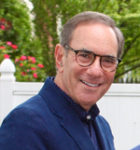
By Michael R. Mantell, Ph.D.
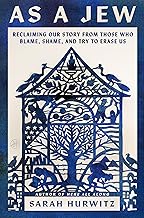 EL CAJON, California — Sarah Hurwitz has given us a book that speaks with both urgency and compassion. As a Jew is not only about history, tradition, or theology, it’s about the health of our spirit and mind. She shows how the stories we inherit can either weigh us down or set us free. For too long, we’ve carried narratives written by others, stories built on blame, shame, and erasure. Hurwitz offers a way back, pointing us toward a truer, more life-affirming story of our own.
At its core, the book feels like an inviting crash course in Judaism. Hurwitz doesn’t present texts, history, ethics, or rituals as abstract or academic. Instead, she brings them to life showing how Judaism has always been dynamic, evolving, and deeply rooted in human experience.
Reading as a mental health professional, I was struck by how closely her approach mirrors what we refer to as “cognitive reframing.” She shows us how to recognize damaging beliefs, hold them up to the light, and replace them with truths that strengthen rather than diminish us. Her words feel like permission to let go of the poison of internalized antisemitism and instead root ourselves in resilience, richness, and pride. That is not only good and necessary theology, it’s good psychology.
What stands out is Hurwitz’s ability to write with empathy, intelligence, and firmness without ever slipping into polemics. She refuses to fall into the traps of victimhood or narrow defensiveness. Instead, she meets hatred not with bitterness, but with a joyful and deeply proud embrace of Jewish identity. She doesn’t just define us by what we oppose; she shines a light on the values, traditions, and vision we stand for.
Hurwitz has offered more than a book. She has given our generation of Jews a psychological and spiritual toolkit to reclaim our narrative. And she does so not from fear or defensiveness, but from grounded strength, deep knowledge, and unapologetic pride in who we are. I see this as profoundly healing work, restoring dignity and resilience where shame and distortion have too often lived. Without exaggeration, this may be among the one of the more important Jewish books of our time.
This book could not be more timely. The author reminds us that silence or shrinking back is not the answer. Reclaiming our story, speaking it clearly, and living it fully is not just cultural survival, it’s a vital act of self-care.
I closed the final page feeling renewed, stronger, clearer, and more hopeful. Not only as a Jew, but as a person who believes in the healing power of owning, and proudly telling, the story that is truly our own.
*
Michael R. Mantell, Ph.D is a freelance writer who writes for San Diego Jewish World a weekly Torah column.