SAN DIEGO — This week’s Torah portion, BeHar, discusses the sabbatical year. It teaches us that for “Six years thou shalt sow thy field, and six years thou shalt prune thy vineyard, and gather in the produce thereof. But the seventh year shall be a sabbath of solemn rest for the land, a sabbath unto the LORD; thou shalt neither sow thy field, nor prune thy vineyard. That which growth of itself of thy harvest thou shalt not reap, and the grapes of thy undressed vine thou shalt not gather; it shall be a year of solemn rest for the land.”
After what is hopefully six years of abundance, and of economic success, the seventh year is supposed to be a year-long vacation for the field, and its owners. Both in biblical times and today, especially in the modern state of Israel where shemitah and the sabbatical year is seriously observed, this imposes an economic hardship for the agricultural communities and their families. Agricultural communities essentially have to go an entire year without earning any income. Nevertheless, while the sabbatical year could be costly, most traditional commentators remind us that not taking a sabbatical break could be even more costly.
According to rabbinic commentators, after six years of work, the land was tired. It needed a year to replenish nutrients, so that it could yield a more fruitful crop. Year after year, the soil and nutrients become depleted and the crop it yields become less fruitful. After a year off, the land is rejuvenated, yielding a more successful harvest.
I think the same might be true for all of us. It is easy to get buried in our work, day in and day out, without taking time we need to relax, rejuvenate, and reenergize ourselves. Sometimes we may burn ourselves out, without even noticing that the quality of our work, or our energy has diminished. Taking time off, or a vacation, may cost us money, but it may also enable us to be more productive in the long run. That is why it is my hope and prayer for all of us, as we enter Shabbat together, that we can take advantage of a shabbat as a day of rest, and recognize the importance of enriching our hearts, our souls, and our spirits, not just our wallets.
*
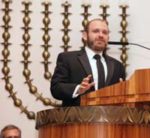
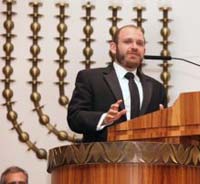
Rabbi Dorsch is spiritual leader of Tifereth Israel Synagogue in San Diego. He may be contacted via joshua.dorsch@sdjewishworld.com