By Rabbi Ben Kamin
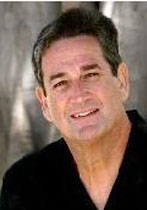
LAGUNA WOODS, California– They call themselves “a synagogue without walls,” which was especially ironic and heartening when I first was interviewed by the leadership several years ago. My pastoral agency is called Reconciliation: The Synagogue Without Walls and—once the meeting warmed into a promising new relationship—one of the officers teased me: “We may have to sue you for copyright infringement.”We’ve been laughing, weeping, praying, and singing together now for some time and I have at long last discovered that part of my soul that really is rabbinic.
At the center of my weekly pursuits is my service to the Reform Temple of Laguna Woods here in Southern California. Several hundred members strong, diverse in origins, a hybrid of energy, creativity, and leadership across a rainbow of human enterprises ranging from publishing to ophthalmology to commerce to show business, this temple operates without guile, without plaques, without a need to be anything but a volunteer-driven center for human care, healing, education, meals-on-wheels, spirituality, and the judicious use of a small professional staff that is actually hired to minister and not politic with them.
You can’t fool a group of people like this with hyperbole or shtick. They come to the table of life with something intangibly wonderful and completely disarming—human experience. They have lived long enough to have seen just about everything; many of the men and some of the women fought the Nazis or in Korea, they play vigorous rounds of golf under the sun now while comparing this recession to “the real thing” in the 1930s, and while middle-aged learners like myself think of the assassination of President Kennedy as the nadir of our American lives, these socially erudite men and women still think of the death of FDR as the day when time stopped.
They’re on the Internet and their eyes twinkle when they discuss being around long enough to have witnessed the first black president; in short, nothing is lost on them. They know what it is to have been truly hungry, actually rationed, genuinely threatened. So, I respect their skepticism about the rushed, digital aspect of life today, the hurling of human values in no particular direction, and I honor, to the best of my ability, their love of a lingering conversation. They remember the mystique of telephones, the meaning of a mother’s roast as it came sizzling out of the oven, the names of the first astronauts who flew into space wearing the American flag on oxygen-pressured suits.
They understand, too, about the quiet dignity of human suffering. Recently, a couple came to pray, not particularly active in the congregation (which is of no consequence). Their pain preceded them, however. Though well into their eighties and married sixty-seven years, they were fit and leaned with strength into each other. They were not interested in creating a fuss though their son-in-law and daughter had both died recently, he from illness and she by choice. Word spread quietly through the gathered group but privacy was respected and restraint shown—people who have all been tested just know how to be and how not to be.
I spoke to them before the service began and was struck by their self-effacement and stateliness. They might have been shrill and demanding; I’ve seen this countless times, and for much smaller circumstances. They honored their dead and thanked me for coming over. The father said, quietly: “They were always together, for more than forty years. I guess she couldn’t see it any other way.”
Who could hear such a thing and not know that most things amount to a heap of vanities?
*
Rabbi Kamin is a freelance writer based in San Diego. He may be contacted at ben.kamin@sdjewishworld.com