By Rabbi Leonard Rosenthal
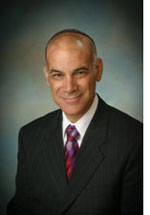
SAN DIEGO — A few years ago our youngest daughter, Margalit, called us on my day off.
“Where are you?” she asked.
“At the cemetery,” we replied.
“What are you doing there?” she asked.
“Picking out graves!” we answered.
We freaked her out.
While Judy and I were not expecting to go anywhere soon, we had finally decided to follow the advice I give to others: make your own funeral arrangements so that doing so does not become a burden on your family. By taking care of the details in advance, you spare your family from the trauma of making many difficult decisions at a time of sorrow and vulnerability.
We who live in San Diego are fortunate to have a family owned Jewish mortuary, Am Israel, who never takes advantage of families at their time of need. I wish I could say the same of all mortuaries.
Immediately after Abraham’s beloved Sarah dies, the Torah records, “Abraham rose from beside his dead….” (Gen. 23:3) What was his rush? He had to make burial arrangements. Owning no land in Canaan, he turned to the local inhabitants and asked them to approach Ephron the Hittite on his behalf. Abraham wanted to purchase the cave of Machpelah that Ephron owned as a burial site.
Ephron was willing to sell, but first made a great show of trying to appear generous: “My lord, hear me; I give you the field and I give you the cave that is in it; I give it to you in the presence of my people. Bury your dead!” (Gen. 23:11)
When Abraham declined his offer and insisted on paying for the land, Ephron exposed his true intent: “My lord, do hear me! A piece of land worth four hundred shekels of silver-what is that between you and me? Go and bury your dead.” (Gen. 23:15)
While we do not know how much four hundred silver shekels were worth or how much land was purchased, Rabbi Mordechai Cohen believed it to be exorbitant. He suggests that the land was worth a lot less and that Ephron was taking advantage of Abraham in his time of distress and need.
The Torah tells us that Abraham did not question or negotiate Ephron’s price. Perhaps he was in too much of a fog after his loss: “Abraham accepted Ephron’s terms. Abraham paid out to Ephron the money that he had named in the hearing of the Hittites-four hundred shekels of silver at the going merchant’s rate.” (Gen. 23:16) If he had made arrangements in advance, he may not have had to pay as much.
I have known many distressed families that have been talked into expensive caskets or unneeded mortuary services by funeral directors when their loved ones were “before them.” It was not that the funeral directors were bad people. Sales was part of their job.
Although it may seem gruesome, it is much better to purchase cemetery plots and prepare for funerals well in advance of when they are needed, when one can evaluate choices and make decisions with a clear mind.
*
Rabbi Rosenthal is spiritual leader of Tifereth Israel Synagogue. He may be contacted at leonard.rosenthal@sdjewishworld.com