By Rabbi Leonard Rosenthal
SAN DIEGO — According to the Torah, Jews are forbidden to charge other Jews interest when they loan them money: “If you lend money to My people, to the poor among you, do not act toward them as a creditor: exact no interest from him.” (Ex. 22:24)
In the Talmud the Rabbis limited what was considered forbidden interest. They realized that unless people profited by lending money, commerce would cease.
During the Middle Ages, Christians were forbidden by the church and civil authorities from charging or paying interest to other Christians. These usury laws were based on their understanding of Biblical principles. Jews, however, were not forbidden to charge interest to non-Jews. Jews became the moneylenders through which commerce survived. Jewish moneylenders were hated by their neighbors, and routinely attacked and persecuted, even though they were an economic necessity.
The Torah’s intent in forbidding interest was to protect the poor. When Jews were in need, their brothers and sisters were supposed to help them without expectation of reward or financial incentive.
Rabbi Mordechai Bent understood the importance of helping the poor, but also the importance of not embarrassing them. It is difficult and humbling for those in need to accept funds from others. Rabbi Bent tried to ease their shame.
He said that the Talmud taught, “The one who says, ‘I am giving this coin to tzedakah to preserve the life of my child,’ is a truly righteous human being.” (Babylonian Talmud, Pesachim)
At first glance, such an act and pronouncement does not seem altruistic. It is self-serving and opportunistic. Why should someone be praised and called “righteous” for giving tzedakah when the only apparent reason is for their selfish benefit, “to preserve the life of my child?”
But Rabbi Bent explained that from this Talmudic statement we can learn how to give tzedakah. Whenever Rabbi Bent gave tzedakah, he would tell the recipient that they were doing him a favor by accepting his gift. There is a great reward in giving tzedakah, he explained, and that he needed the “mitzvah points” more than they needed his contribution!
This made the recipient of his charity feel better about taking it. They felt less embarrassed because at the same time they took the gift, they knew that they were helping Rabbi Bent as well. (Iturei Torah)
Rabbi Bent teaches all of us that when we give tzedakah we should not only be mindful of the material needs of the less fortunate, but the spiritual ones as well.
*
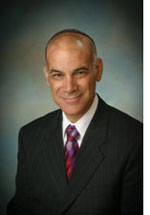
Rabbi Rosenthal is spiritual leader of Tifereth Israel Synagogue in San Diego. Your comment may be posted in the space below or sent to leonard.rosenthal@sdjewishworld.com