By Rabbi Ben Kamin
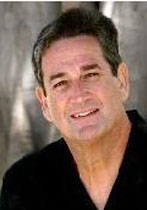
SAN DIEGO — Most of my work with interfaith couples has to do with Jews and Christians; they often come to me (at ‘Reconciliation: The Synagogue Without Walls’) after having been shunned or hurt by a rabbi or a priest or some such figure. They love each other—and are told they cannot marry unless or until this one converts or that one signs a document forswearing his or her heritage and/or promising to commit the next generation to another tradition forthwith.
They love each other, for God’s sake, and this is America—we clergy should be part of the solution and not part of the problem. The organized faith communities cannot be so insecure that the devotion between two human hearts poses a threat to the durability of any church or synagogue. And any reading of writ, from any heritage, consistently places love at the top of its doctrines and aspirations.
As for me, a rabbi truly smitten with Talmudic poetry and biblical lore (which is laden with cultural cross-breeding and pleas “for the stranger in your midst”), being a Jew boils down to this: We parented Christianity and Islam—if any people should be reaching out to the other faiths, it’s us.
We can dwell in the chronicle of persecution or we can “protest” it with an ongoing nonviolent, peaceful engagement that not only doesn’t surrender our integrity but actually fulfills it. We can choose to let the Nazis dictate our actions or we can choose the example of Abraham and Sarah, who founded Judaism but who also—both in old age—chose Judaism. It is exactly because we have been for so long excluded that we should celebrate and practice inclusiveness.
Saturday night (August 11, 2012) I was privileged to officiate at the marriage ceremony of a Jewish man and a Muslim woman. Like most of the young people I meet in this aspect of my work, they came to this ceremony with thoughtfulness, concern for their parents’ sensibilities, and a desire to present a rite that spoke to what they share and not to what has divided their ancestors. Neither of them is significantly observant but they both acknowledge and revere the cultural songs and yearnings of their generations.
So they came to the contemplation of their marriage already experienced with communication and sharing skills because they were already thinking about spiritual matters (and boundaries) rather than dwelling upon the vanities of nuptial theater and indulgence. It wasn’t always easy (as life is not simple) and the road to the wedding canopy and the Persian sofreh table and the lyrics of Rumi and the breaking of the glass and the sharing of honey proved as winding as it was fascinating. It began with E.E. Cummings and concluded with an old Apache prayer:
Now you will feel no rain, for each of you will be shelter for the other. Now you will feel no cold, for each of you will be warmth to the other. Now there will be no loneliness, for each of you will be companion to the other.
What is there about this that is not part of the One God?
*
Rabbi Kamin is a freelance writer based in San Diego. He may be contacted at ben.kamin@sdjewishworld.com